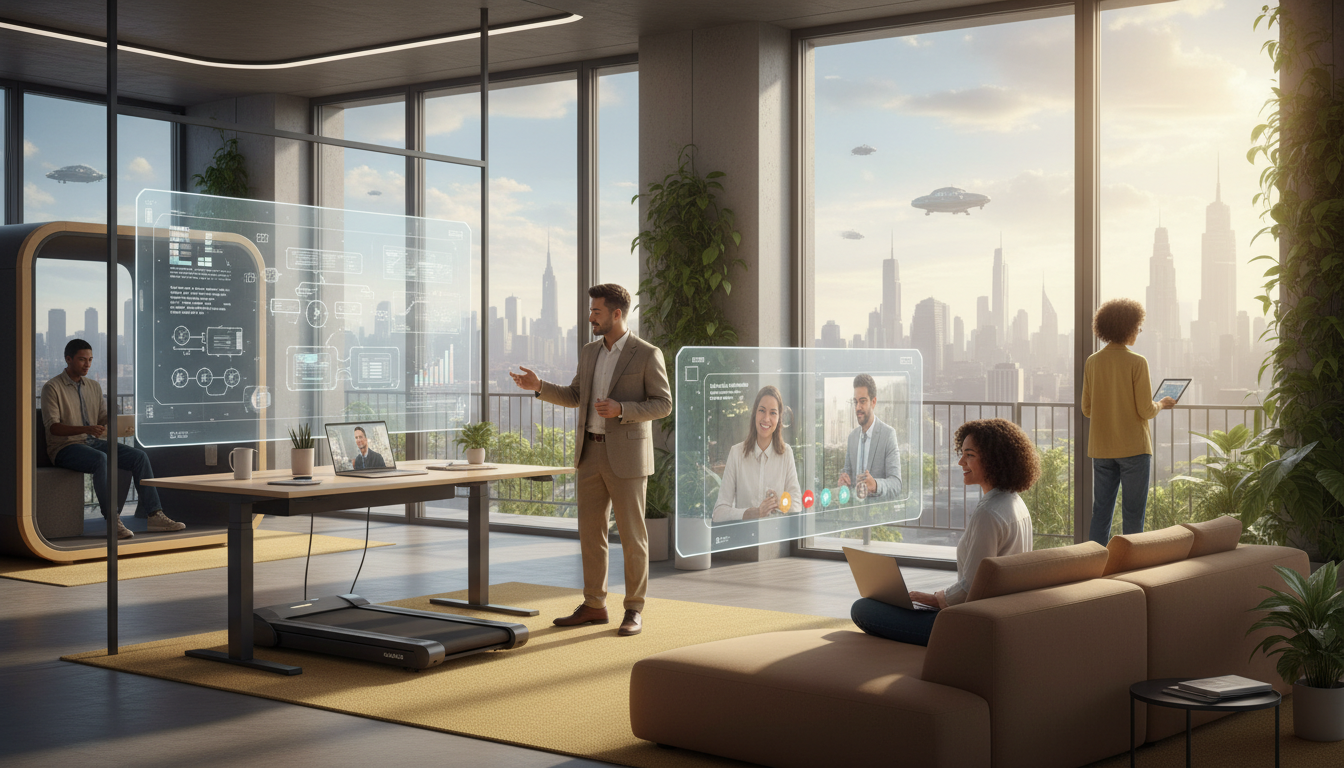
The Rise of Remote Work: Adapting Your Career in 2026
Remote work has become the dominant mode of professional employment in 2026, with approximately 70% of professionals working remotely at least part-time. This shift represents a fundamental transformation in work culture, driven by technological advancements, demand for work-life balance, and organizational flexibility. Adapting your career to this environment requires continuous learning, strategic networking, and optimized productivity practices.
The landscape of work has undergone a monumental shift in recent years, particularly with the advent of remote work. As we navigate through 2026, it’s vital to understand how to thrive in this new environment. This article explores the benefits of remote work, current trends, and actionable strategies to enhance your remote work experience. Consider enrolling in online courses to boost your career as part of your adaptation strategy.
The New Normal: Understanding Remote Work in 2026
The rise of remote work has transformed traditional office dynamics into a flexible, technology-enabled work model that prioritizes results over physical presence. This shift is not merely a trend but a change in the fabric of our work culture. According to recent studies, this represents a significant increase from previous years.
This transformation has been driven by multiple factors including advancements in technology, a desire for better work-life balance, and the organizational need for flexibility. Companies have adapted their infrastructure, policies, and culture to support distributed teams effectively.
What Are the Main Benefits of Remote Work in 2026?
Remote work offers three primary benefits: enhanced work-life balance allowing professionals to manage schedules more effectively, cost savings averaging $4,000 annually per employee through eliminated commuting and related expenses, and access to global talent pools enabling companies to hire skilled professionals regardless of geographic location.
Benefits of Remote Work
Remote work delivers measurable advantages for both employees and employers, including improved work-life balance, significant cost reductions, and expanded access to diverse talent. Companies prioritizing these benefits in 2026 report higher productivity and job satisfaction rates. The financial and personal wellness impacts make remote work a sustainable long-term model.
Enhanced Work-Life Balance
One of the most significant advantages of remote work is the improved work-life balance it offers. Professionals can manage their schedules more effectively, allowing for personal commitments and reducing stress levels. In 2026, companies that prioritize employee well-being report higher productivity and job satisfaction.
Cost Savings
Working remotely can also lead to substantial cost savings. Employees save on commuting expenses, work attire, and daily meals. A survey in 2026 indicated that remote workers save an average of $4,000 annually by eliminating these costs.
Access to Global Talent
For employers, remote work opens up a broader talent pool. Companies can hire skilled professionals from around the world, fostering diversity and innovation within their teams. This shift has led organizations to rethink their recruitment strategies, focusing on skills and cultural fit rather than geographic location.
How Do Hybrid Work Models Function in 2026?
Hybrid work models allow employees to split their time between office and remote locations, typically 2-3 days in office and remaining days remote. This approach combines in-person collaboration benefits with remote work flexibility, resulting in increased employee morale and retention rates while maintaining organizational culture and team cohesion.
Current Trends in Remote Work
Hybrid work models and advanced technology integration define the remote work landscape of 2026. These trends reflect an evolution from fully remote arrangements to more nuanced approaches that balance flexibility with collaboration needs. Organizations adopting these trends report improved employee satisfaction and operational efficiency.
Hybrid Work Models
In 2026, the hybrid work model has emerged as a popular choice among employers and employees. This model allows workers to split their time between the office and remote locations, combining the benefits of both environments. Businesses adopting hybrid models report increased employee morale and retention rates.
Technology Integration
The integration of technology is crucial for remote work success. Tools for communication, project management, and collaboration have become essential. In 2026, platforms like Zoom, Slack, and Asana are widely used, enabling teams to stay connected and productive regardless of their physical location.
Why Is Continuous Learning Essential for Remote Work Career Success?
Continuous learning keeps remote professionals competitive by ensuring skills remain current with rapidly evolving technologies and work practices. It demonstrates commitment to professional growth, increases employability, and opens advancement opportunities. Remote workers who invest in skill development adapt more successfully to changing job requirements and industry demands.
Adapting Your Career in a Remote Work Environment
Successful career adaptation in remote work requires four core strategies: embracing continuous learning, optimizing your home workspace, building virtual networks, and prioritizing communication. These practices position professionals for sustained success in distributed work environments. Understanding the essential skills for career advancement helps focus your development efforts effectively.
Embrace Continuous Learning
To stay competitive in the remote work landscape, it’s essential to invest in your skills. Continuous learning not only enhances your capabilities but also demonstrates your commitment to personal and professional growth. Consider attending virtual workshops relevant to your field or pursuing certifications that align with your career goals.
Optimize Your Home Office
Creating an efficient and comfortable workspace at home is vital for productivity. Ensure your home office is well-equipped with ergonomic furniture, adequate lighting, and necessary technology. A well-structured workspace can reduce distractions and enhance focus, enabling you to perform at your best.
Build Your Network Virtually
Networking remains crucial, even in a remote setting. Engage in virtual events, webinars, and online forums within your industry. Building connections can lead to new opportunities and collaborations, helping you navigate your career path effectively. Learn more about networking effectively in 2026 to maximize your professional relationships.
Prioritize Communication
Effective communication is the backbone of successful remote work. Regular check-ins with colleagues and supervisors can help maintain clarity and foster a sense of community. Utilize various communication tools to stay engaged and keep everyone on the same page.
What Productivity Strategies Work Best for Remote Work?
Optimal remote work productivity requires structured daily routines, dedicated ergonomic workspaces, time-blocking techniques, and regular breaks. Using project management tools maintains task visibility, while setting clear boundaries between work and personal time prevents burnout. Communication protocols with teams ensure alignment and accountability across distributed environments.
Conclusion: Embracing the Future of Work
As we move further into 2026, adapting your career to remote work’s evolving landscape positions you for sustained professional success. By embracing continuous learning, optimizing your workspace, networking effectively, and prioritizing communication, you can thrive in this new era. The benefits of remote work—flexibility, cost savings, and global opportunities—make this adaptation worthwhile.
By understanding the trends and adopting effective strategies, you can navigate your career with confidence in this remote work environment. For insights on broader career trends, explore our guide on future-proofing your career. The future of work is here – strategic adaptation ensures you not only survive but excel in this transformed professional landscape.
Frequently Asked Questions About Remote Work
What is remote work and how has it changed in 2026?
Remote work is a professional arrangement where employees perform their job duties outside traditional office environments, typically from home. In 2026, approximately 70% of professionals work remotely at least part-time, representing a fundamental shift in work culture. This model emphasizes flexibility, results-oriented performance, and technology-enabled collaboration over physical office presence.
How can I maintain productivity while working from home?
Maintain productivity by establishing a dedicated workspace with ergonomic furniture, creating structured daily routines, and using time-blocking techniques. Minimize distractions by setting clear work hours and boundaries with household members. Utilize project management tools like Asana or Trello to track tasks, and schedule regular breaks to prevent burnout and maintain focus throughout the workday.
What skills are most important for remote work career development?
Critical skills for remote work career development include digital communication proficiency, self-management and time management abilities, technological adaptability, and virtual collaboration capabilities. Strong written communication skills are particularly essential since remote work relies heavily on asynchronous communication. Continuous learning mindset and networking abilities also significantly impact career advancement in remote environments.
How do hybrid work models benefit employees and employers?
Hybrid models benefit employees through improved work-life balance, reduced commuting stress, and flexible scheduling while maintaining in-person collaboration opportunities. Employers benefit from increased employee satisfaction and retention, reduced office space costs, and access to broader talent pools. This model combines remote work flexibility with office-based team building, resulting in higher morale and productivity.
What are the best practices for networking in remote work environments?
Effective remote networking involves actively participating in virtual industry events, webinars, and online professional communities. Leverage platforms like LinkedIn to maintain professional connections and engage with industry content. Schedule virtual coffee meetings with colleagues and industry peers, join specialized online forums, and contribute to discussions that showcase your expertise and build meaningful professional relationships.
How can I create an effective home office for remote work?
Create an effective home office by designating a quiet, dedicated workspace separate from personal living areas. Invest in ergonomic furniture including an adjustable chair and proper desk height to prevent physical strain. Ensure adequate lighting, preferably natural light supplemented with task lighting. Equip your space with reliable technology, high-speed internet, noise-canceling headphones, and necessary software for seamless communication and productivity.
What technologies are essential for successful remote work in 2026?
Essential remote work technologies include video conferencing platforms like Zoom or Microsoft Teams, collaboration tools such as Slack or Discord, and project management software like Asana or Monday.com. Cloud storage solutions (Google Drive, Dropbox) enable file sharing, while time-tracking and productivity tools help manage workflows. Reliable high-speed internet, quality webcams, and noise-canceling headphones form the hardware foundation.
How do I maintain work-life balance when working remotely?
Maintain work-life balance by establishing clear start and end times for your workday and communicating these boundaries to colleagues. Create physical separation between work and personal spaces when possible. Schedule regular breaks and personal activities just as you would work meetings. Disconnect from work communications after hours, practice self-care routines, and maintain social connections outside work to prevent isolation and burnout.
Related Articles
- The Four-Day Week Goes Corporate: How Fortune 500 Companies Are Quietly Redefining Work-Life Balance—And Why Your Career Depends on Adapting Now
- The ‘Skills Half-Life Crisis’: Why Traditional Career Pivots Are Dead and What Actually Works in 2026’s AI-Dominated Market
- The AI Skills Cliff: Why 2026 Is the Last Year to Future-Proof Your Career Through Strategic Upskilling